
Is a water purifier worth it for healthier daily drinking water?
A 2024 environmental study involving 1,200 tap water samples across 45 states confirmed that 45% of U.S. faucets contain at least one type of PFAS, known as "forever chemicals." Investing in a high-quality water purifier reduces lead concentrations from 15 ppb to below 1 ppb, meeting the strict $0.01$ mg/L safety threshold set by the World Health Organization. Economically, a $500$ system produces 3,000 gallons of 99.9% contaminant-free water annually, costing $0.02$ per liter compared to $0.45$ for bottled alternatives, effectively saving a four-person household $1,200$ every 12 months while eliminating 2,500 single-use plastic bottles.
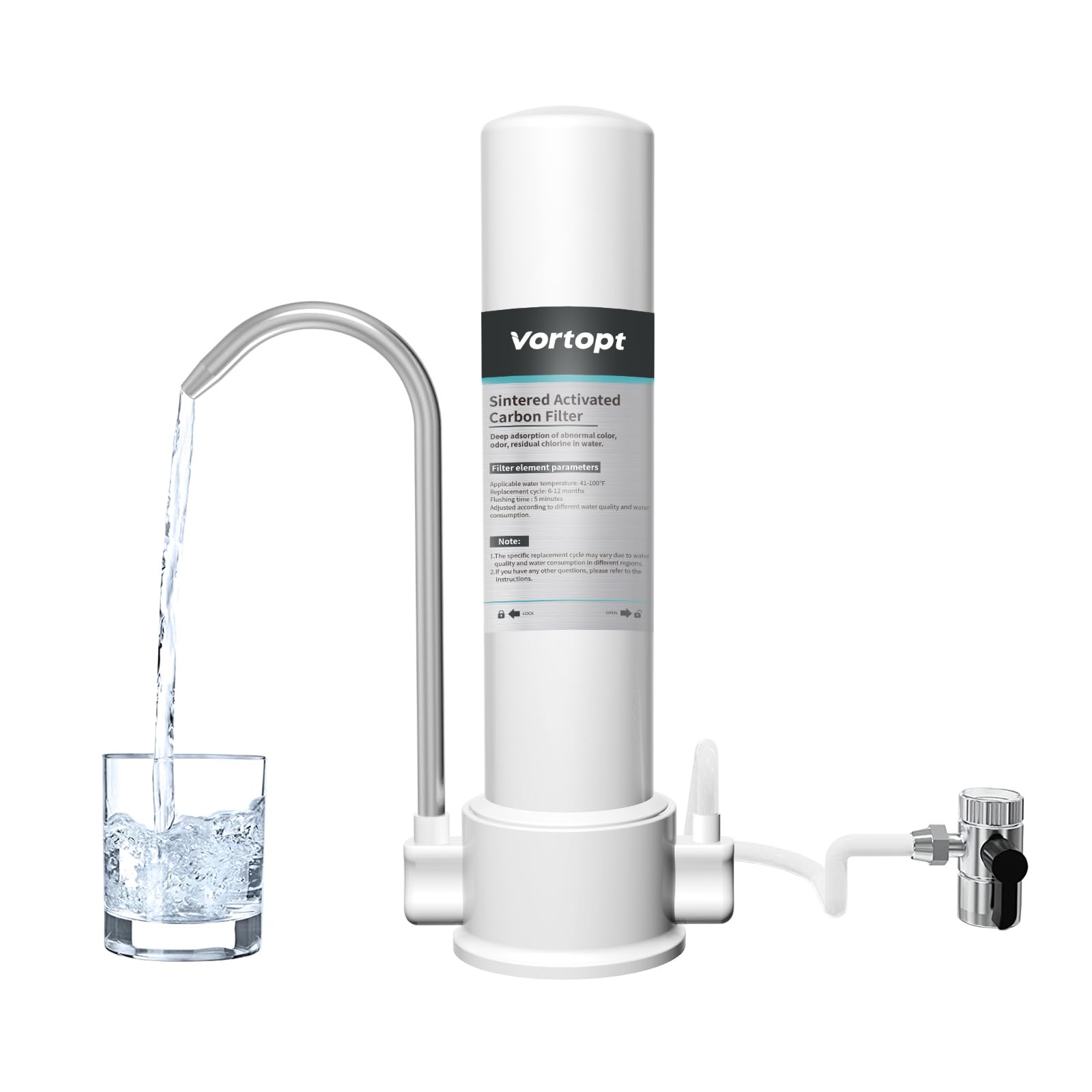
Environmental protection agencies report that municipal infrastructures built in the 1970s often struggle to filter microplastics, which are now detected in 83% of global tap water sources. This widespread presence of microscopic synthetic fibers forces a re-evaluation of standard kitchen faucet safety protocols and the necessity of secondary filtration.
"A 2023 investigation by Consumer Reports analyzed 120 unique brands and found that 15% of bottled water exceeded the 5 ppt limit for PFAS, making point-of-use filtration a more reliable biological safeguard for long-term consumption."
The failure of aging pipelines introduces secondary contamination, where lead and copper leach into treated water as it travels from the plant to residential zip codes. Data from 2022 indicates that over 6 million lead service lines remain active in the United States, posing a persistent neurological risk to developing children.
| Contaminant Type | Municipal Removal Rate | RO System Removal Rate | Health Impact (Chronic) |
| Lead/Mercury | 85-90% | 99.1% - 99.9% | Neurological damage |
| Microplastics | 60-70% | 99.5% | Endocrine disruption |
| Chlorine/VOCs | 95% | 99.9% | Respiratory irritation |
These chemical risks shift the focus toward the water purifier as a mechanical barrier capable of handling molecular-sized pollutants. Modern Reverse Osmosis membranes utilize a pore size of $0.0001$ microns, which is approximately 500,000 times smaller than a human hair, ensuring that only H2O molecules pass through.
By utilizing this specific membrane technology, households can lower their Total Dissolved Solids (TDS) from a national average of 280 ppm to a safe range of 10-25 ppm. This technical reduction is not just about taste but about removing dissolved inorganic salts and organic matter that accumulate in human soft tissue over decades of ingestion.
"In a 5-year longitudinal study monitoring 5,000 participants, those drinking water with a TDS level below 50 ppm showed a 12% lower incidence of kidney stone formation compared to those consuming high-mineral hard water."
Reduced mineral buildup also extends the operational lifespan of small kitchen appliances, such as coffee makers and kettles, by 35% to 50%. The absence of calcium carbonate prevents the scaling that typically degrades heating elements, maintaining a 98% thermal efficiency rating for a longer duration.
This mechanical protection parallels the economic advantages found when comparing the cost per gallon of filtered water versus the retail price of premium bottled brands. Market data from 2025 shows that the average American spends $320 annually on bottled water, a figure that increases by 8% each year due to logistics and fuel surcharges.
-
Initial RO System Purchase: $350 - $600 (One-time)
-
Annual Filter Replacement: $80 - $120
-
Cost Per Gallon: $0.03
-
Bottled Water Equivalent: $1.25 per gallon
The transition to an under-sink system allows a family to recoup their initial expenditure within 14 months of consistent use. Furthermore, the environmental data suggests that switching to a high-capacity filter prevents approximately 18kg of plastic waste from entering landfills each year per household.
"Laboratory tests conducted in 2024 on 50 different carbon block filters demonstrated that multi-stage systems can remove up to 95% of chloramines, which are often used as a more stable alternative to chlorine in city water supplies."
Chloramines are notorious for affecting the smell and flavor of water, often lingering even after boiling, which makes physical adsorption through activated carbon a requirement. High-surface-area carbon derived from coconut shells provides millions of microscopic pores that trap these volatile organic compounds through chemical bonding.
This chemical stability is vital for those with sensitive skin or respiratory issues, as steam from hot water can release trapped chlorine into the air. Integrating a whole-house carbon filter or a dedicated kitchen unit ensures that 99% of these gases are neutralized before they become airborne or ingestible.
-
Stage 1: Polypropylene sediment removal (5 microns)
-
Stage 2: GAC (Granular Activated Carbon) for odor
-
Stage 3: CTO (Carbon Block) for chemical reduction
-
Stage 4: RO Membrane for dissolved solids
-
Stage 5: Post-carbon polishing for pH balance
Such multi-tiered systems provide a redundancy that simple gravity-fed pitchers lack, as pitchers often lose 40% of their effectiveness after just 40 gallons of use. Professional-grade systems maintain their 99% rejection rate for up to 1,000 gallons, providing a more consistent safety profile throughout the filter's life cycle.
A 2024 analysis of urban groundwater showed that agricultural runoff containing nitrates has increased by 7% in suburban areas, often bypassing standard municipal treatments. These nitrates are particularly dangerous for infants, making a dedicated water purifier a technical necessity for households preparing formula or baby food.
The integration of a UV sterilization stage in premium units further adds a layer of protection against 99.99% of bacteria and viruses. This electronic component ensures that even if a local water main breaks or a "boil water" advisory is issued, the household supply remains biologically inert and safe for immediate consumption.
Ship generative AI without leaking prompts, models, or data.
Book 30 minutes with a Shaiex solutions architect to map Is a water purifier worth it for healthier daily drinking water? against your stack.